Welcome to today's post on the A-to-Z Blogging Challenge. My challenge, as I have chosen to accept it, is thus: I have asked on my Facebook and Twitter accounts for people to contribute random words beginning with today's letter. From Random.org, I have selected one of these words, and will below challenge myself to connect said word to writing.
For the letter K, I received 39 suggestions. Random.org selected number 7: kind.
PS--My Mondays and Wednesdays have me running around without good internet access all day until 9pm EST (US). I'll get back to you, but it might be late tonight.
Kind
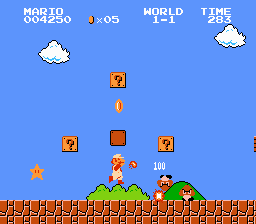
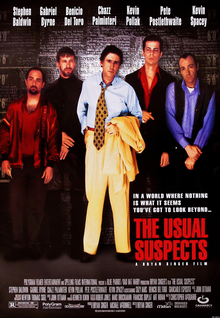
What kind of kind shall I kind of discuss? The kind in which we discuss a sort of thing, or the kind in which I discuss the value quality of someone's personality?
 |
GAH! I'm such a geek :)
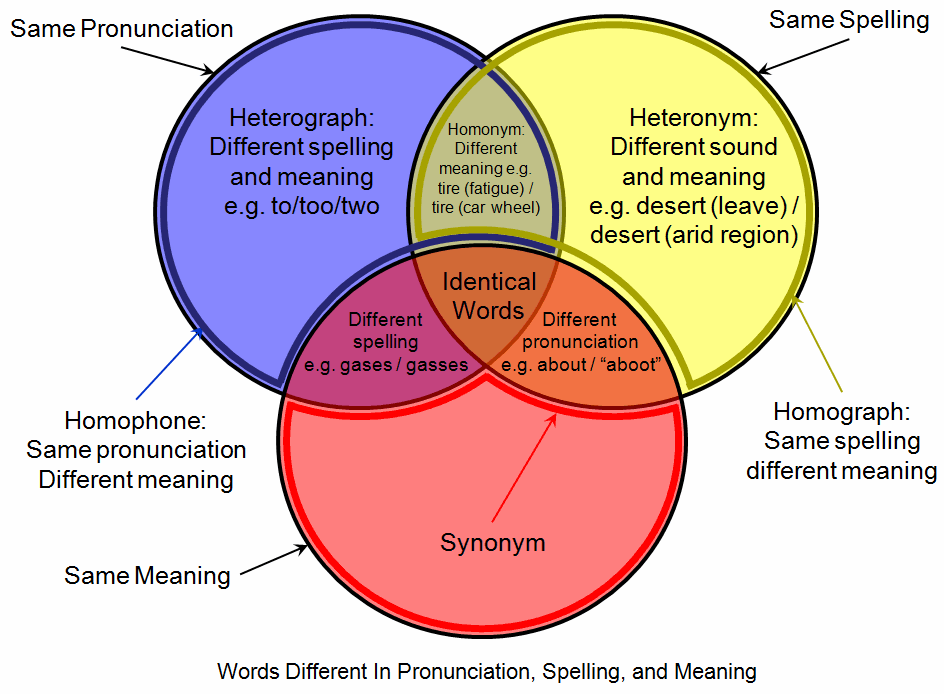
Image courtesy of Wiki Commons |
Is your head spinning? Mine is.
English is full of
homonyms (e.g.,
kind the noun and
kind the adjective),
homographs (
lead the ore and
lead the verb), and
homophones (
two,
too, and
to;
your and
you're).
What's a writer to do with all this nonsense?
When it comes to homonyms like
kind and
kind, usually the context will make it clear to our readers what we're talking about. Not so bad.
Homographs get a little trickier. In the above examples, I mention lead (as in "Alchemists claim turning lead into gold") and lead (as in "The duck leads her babies to the pond"). This is usually okay, too, until we throw past tense in the mix. Have you ever written something like "The duck lead her babies to the pond" when you MEANT "The duck LED her babies to the pond"?
You don't have to admit it. We all know we do this, at least in that first draft when we're too excited to self-edit.
But Homophones are the worst. They're sneakier than those gnomes that hide in your drier waiting to steal your socks and use them for their little gnomy purposes. Your writing along, and their you have this horrible mistake where you meant to write "you're", but "your" just jumped in they're.
Yes, I know what I did in that paragraph.
If you send a manuscript to an editor with those mistakes rampant across the page, s/he's not going to read it. Talk about fodder for the slush pile!
So what to do? Fret away? Lose sleep wondering over what words are wrong? Chew your nails down to tiny stubs? (Wait, with all the typing we do, does anybody have long nails to begin with?)
No, my friends. There is a solution. Learn to self-edit.
Now, if you're reading this, I've probably read your blog, too, and, frankly, I haven't read many blogs out there where I would consider the author in dire need of a self-editing intervention. BUT, if you are in need of some suggestions, here's a place to start:
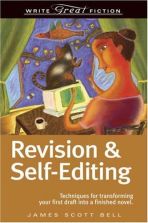
Revision and Self-Editing by James Scott Bell.
Want more suggestions? Check out
this resource.
Still think there might be a problem? Save your nails, folks. You can always hire an editor. Some are cheaper than others, but if you can't edit your own work, make sure SOMEONE does before you send it in.
Or else the slush pile is waiting.
Do you self-edit? How did you learn your grammar tricks? Or are you just a grammar genius? (if you are, don't rub it in much :)
Today I'm taking suggestions for the letter R. Have any? Leave them below! Thanks :)